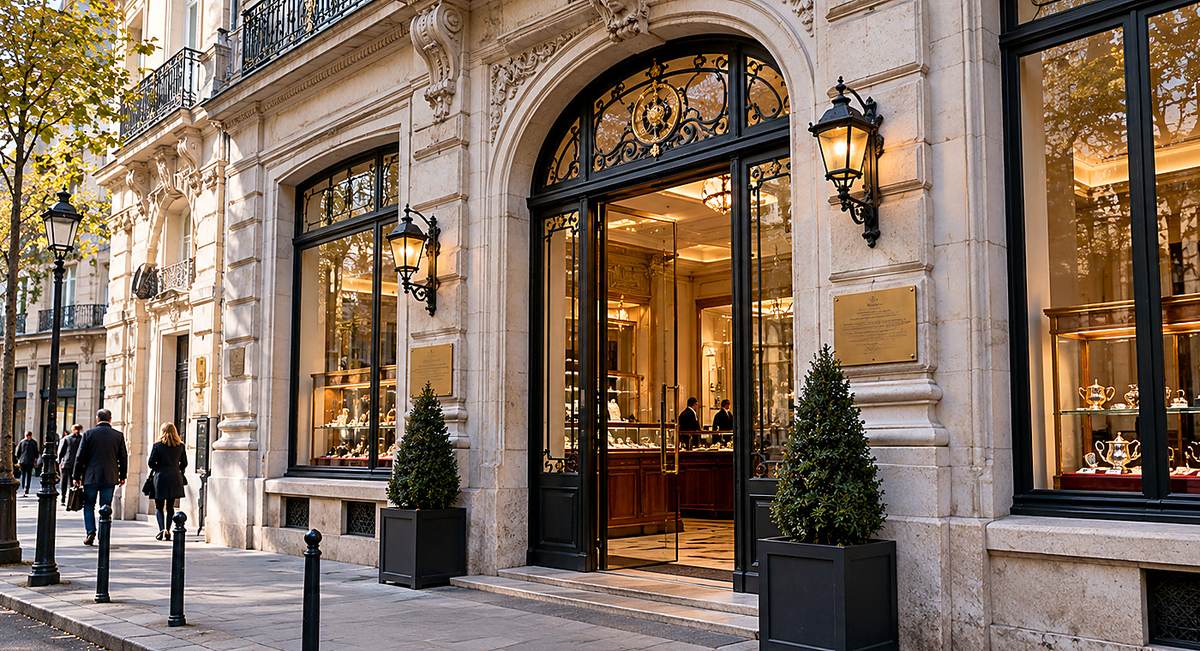
Which canvases interest the Brussels appraisers
The Mont-de-Piété's Paintings page sets three cumulative criteria: a signature, a good state of preservation and a painter present on the art market. A decorative copy or an amateur oil painting does not meet this definition.
Ensor, Boldini, Dalí: market benchmarks
Among the works shown as examples are James Ensor, Giovanni Boldini and Salvador Dalí. These names indicate the kind of signature sought; they do not mean a lesser-known painter will be refused if their works genuinely circulate in the saleroom.
Why authenticity weighs more above €2,500
A canvas valued at more than €2,500 at auction cannot be pawned without a certificate of authenticity. Without this document, the Mont-de-Piété offers to keep the painting on deposit, by mutual agreement, while the attribution is checked.
Hammer value rather than sentimental value
The valuation is based on the price the painting would reach at auction, not on the price paid. The amount lent follows from it, between 50 and 70%; the method is detailed on the page on valuing a pledged item in Belgium.
A painting, not a bundle of paperwork
The frame, the stretcher and the back of the canvas inform the expert: gallery labels, exhibition stamps, catalogue numbers. Presenting the work as it is, without removing these clues, makes life easier for the appraisers based at rue Saint-Ghislain, in the Marolles.
What six months of financing costs
The advertised fixed rate is 6.5% a year for the first 180 days, calculated per fortnight used. Repaying after two months therefore costs only four fortnights of interest, plus the 3.5% administration fee, capped at €60.
Extending a loan backed by a painting
Extensions are unlimited, in blocks of 180 days, provided interest and fees are paid; they are arranged by telephone on 02/512 13 85. The rate then climbs to 10.5% a year and stays there until full repayment.
The resale right scale
If the work is sold, the resale right is added: nothing below €2,000, then 4%, 3% above €50,000, and from 1% to 0.25% for the higher bands, with a cap of €12,500 per work.
Timetable of the public sale
Before any sale, the borrower receives a free letter at least 30 days in advance. The Mont-de-Piété holds 30 to 35 catalogued sales a year, on Tuesdays and Saturdays from 1 pm, with a preview of the lots beforehand.
Collecting the surplus on a sold canvas
The surplus, meaning the sale price less capital, interest and fees, goes in full to the depositor; a notice reaches them one month after the hammer falls. More than one million euros in surplus is paid out every year, according to the official website.
Paintings, sculptures and related art objects
Sculptures are subject to the same signature requirements and the same certificate threshold: see the page on pawned sculptures in Belgium. Ceramics, crystal and display-cabinet pieces also feature among the 17 official categories.
Comparing with depositing a painting in France
Across the border, only the Crédit Municipal institutions lend against pledges, often by appointment for paintings, as in Strasbourg. The French rules are gathered in our guide to pawning paintings in France.
Where to deposit a painting in Belgium
- Mont-de-Piété de la Ville de Bruxelles: Public institution governed by the law of 30 April 1848, which appraises and accepts as pledges signed paintings by recognised artists.
From studio to counter: the steps for a painting
- Note the signature, the dimensions and the inscriptions on the back of the canvas, then request a photo pre-valuation if needed.
- Find the certificate of authenticity, essential if the painting could exceed €2,500 at auction, and any purchase invoice.
- Carry the protected work to rue Saint-Ghislain during lending hours, Monday to Friday.
- Let the appraisers examine the canvas; if further checks are needed, the work may stay on deposit.
- Sign the 180-day contract and receive the sum in cash and/or by transfer, minus the administration fee.
- At maturity, repay, extend at 10.5% or ask for the voluntary sale of the painting.
What a loan secured on a painting costs
| Item | Published level | Source and date |
|---|---|---|
| Interest for the first 180 days | 6.5% a year, per fortnight | Loan conditions, 2026 |
| Interest after extension | 10.5% a year | Loan conditions, 2026 |
| Administration fee | 3.5% of valuation, €60 maximum | FAQ, 2026 |
| Viewing the painting on deposit | €5 per item, €20 maximum | FAQ, 2026 |
| Resale right if sold | from 4% to 0.25% depending on price | FAQ, 2026 |
Documents to accompany the painting
- Valid identity document showing residence in the European Union
- Proof of address where it does not appear on the document
- Certificate of authenticity for a valuation above €2,500
- Purchase invoice for the painting, if you have it
- Certified power of attorney to deposit a third party's work
Pitfalls to avoid with a pawned canvas
- Believing the gallery price will serve as the basis: only the likely auction value counts, and it is often considerably lower.
- Confusing surplus with valuation: the depositor receives only the hammer price less capital, interest and fees.
- Letting the due date slip: from day 181, late interest of 0.5% of capital per fortnight is added to normal interest.
- Removing the frame or cleaning the canvas yourself before the appraisal, at the risk of erasing useful clues or damaging the paint layer.
- Planning a large cash repayment when cash payments have been limited to €3,000 per calendar month since May 2025.
Pawned paintings: common questions
Does the Brussels Mont-de-Piété accept paintings?
Yes, paintings are among the 17 official categories. The work must be signed and in good condition, and the artist must be present on the art market. A certificate of authenticity is required once the auction valuation exceeds €2,500.
How much can you obtain for a pawned painting?
The Mont-de-Piété generally lends 50 to 70% of the estimated auction value. For a canvas valued at €4,000, that means roughly between €2,000 and €2,800, before deduction of the administration fee capped at €60.
Do you pay the resale right when pawning a painting?
No, not when the loan is taken out. The resale right only applies if the work is resold at auction, from €2,000. It is then calculated in decreasing bands and capped at €12,500 per work and per sale.
Can you get your painting back before six months?
Yes, early repayment is possible at any time and without penalty. Because interest is counted per fortnight, you pay only for the period actually used, on top of the administration fee deducted on signing.
Official sources
Calendrier des ventes aux enchèresmontdepiete.be
Conditions de prêt officiellesmontdepiete.be
À propos du Mont-de-Piété de Bruxellesmontdepiete.be
General information, up to date as of October 2026 and non-contractual: always check the terms with the Crédit Municipal or the institution concerned.